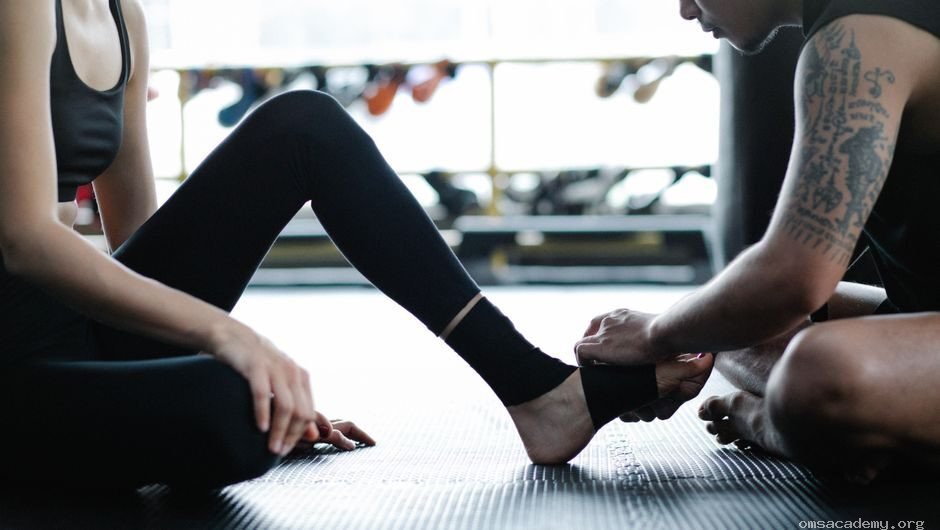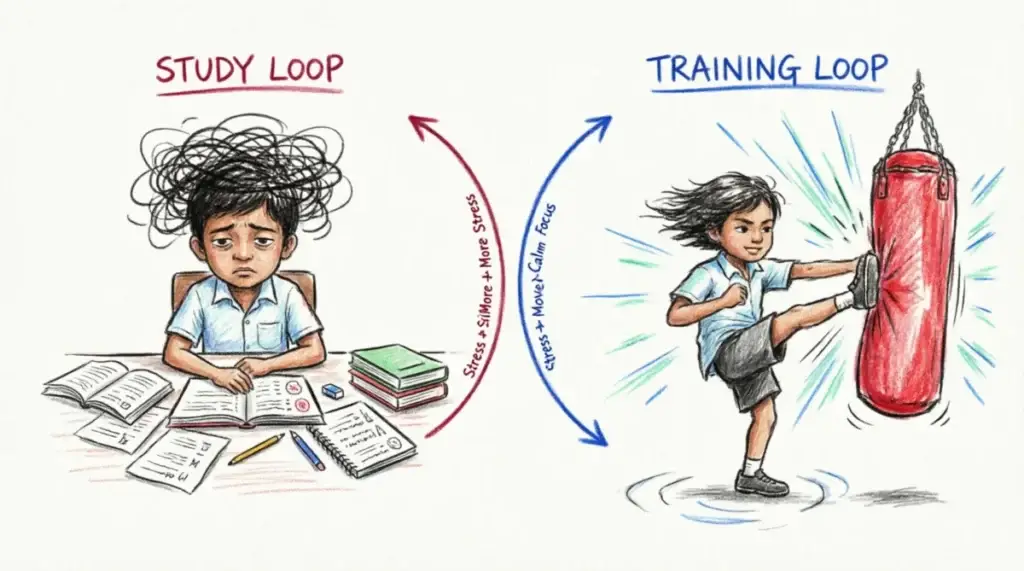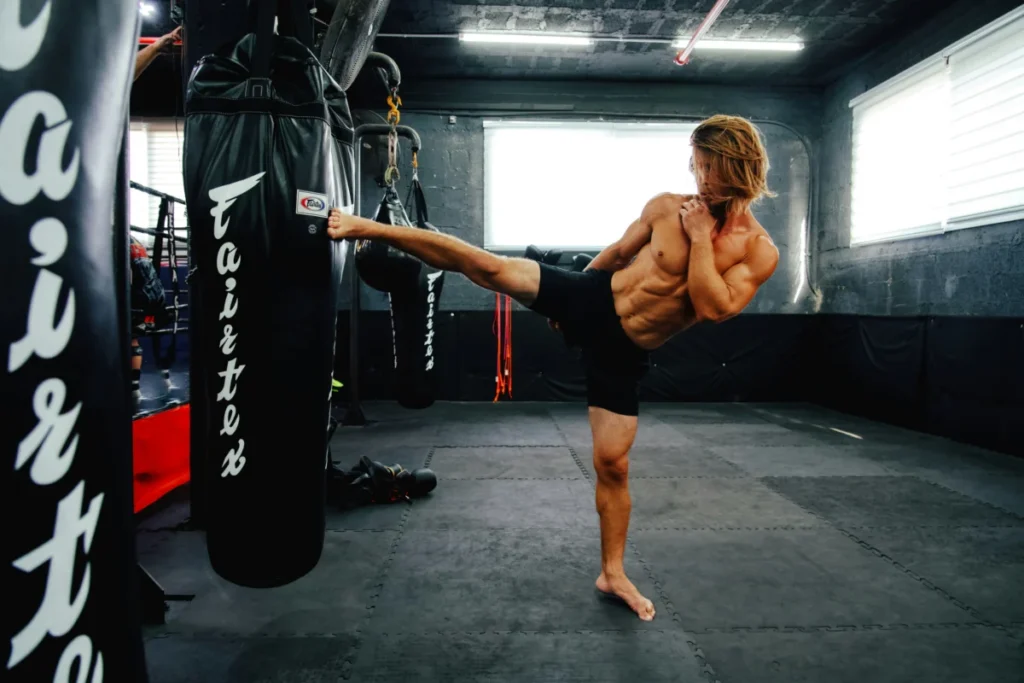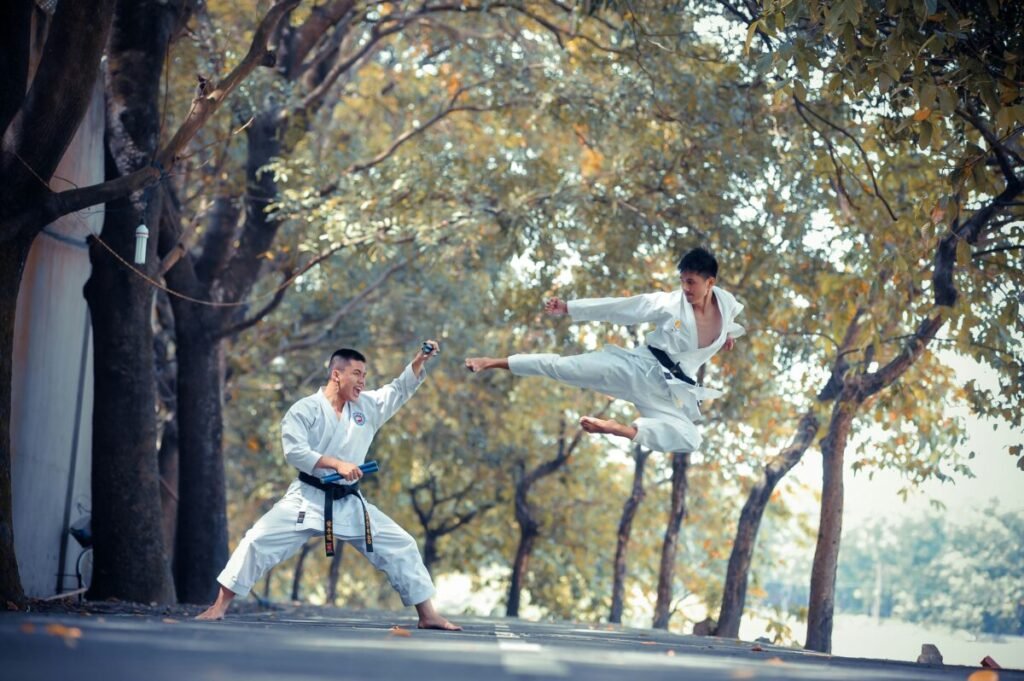

Your ability to train tomorrow depends entirely on how you treat your body today. Many practitioners view nagging aches as an unavoidable tax for their dedication, yet injury prevention for martial artists remains the single most critical skill for long-term progress. If you cannot get on the mat, you cannot evolve. At Om’s Martial Arts & Fitness Studio, we prioritize durability just as much as technical precision because a sidelined athlete loses more than just conditioning—they lose their momentum.
Staying in the game requires a shift in perspective from reactive healing to proactive maintenance. We will examine the biomechanics behind typical combat injuries, the necessity of targeted mobility, and the science of recovery protocols. By integrating strength training, optimal nutrition, and a resilient mindset, you can build a protective shield around your joints and connective tissues. Let’s look at the mechanical realities of your training and how to ensure your longevity in the sport.
Understanding the Biomechanics of Common Combat Injuries
Every strike you throw at the heavy bag generates a massive ground reaction force that travels directly through your kinetic chain. In Taekwondo and kickboxing, the high-velocity nature of snapping kicks puts immense mechanical load on the knee and ankle joints. When your foot connects with a target, the sudden deceleration forces the surrounding ligaments to stabilize the joint instantly. If your alignment is slightly off, that energy doesn’t dissipate—it translates into joint shear.
Acute Trauma vs. Overuse Patterns
We see two distinct categories of physical setbacks at the studio. Acute trauma usually results from a single high-impact event, such as a blocked kick or a hyperextended knee. Conversely, overuse injuries accumulate slowly. Constant repetition of the same movement patterns leads to microscopic tears in tendons, eventually manifesting as chronic inflammation.
| Injury Type | Primary Cause | Common Area |
|---|---|---|
| Acute | Sudden impact/torque | ACL/MCL, Ankle ligaments |
| Overuse | Repetitive micro-trauma | Patellar tendon, Hip flexors |
The biomechanics of a roundhouse kick, for instance, places significant stress on the standing leg’s hip and knee. If your gluteal muscles are weak, the knee compensates by rotating inward, creating an anatomical weak point. Identifying these mechanical bottlenecks is the first step toward building a body capable of enduring years of rigorous sparring. Now that we have identified how these stresses manifest, we must examine how specific movement compensations contribute to long-term wear and tear.
The Foundation of Durability: Warm-ups and Mobility
Most injuries in our studio occur because students treat their bodies like machines that start at full capacity. This approach is a mistake. Before you throw a single roundhouse kick, your tissues must move from a resting state to an active one. We prioritize dynamic movement over static stretching during the pre-training window. While static holds have their place in recovery, they can actually decrease power output when performed before explosive work. Instead, we use controlled, rhythmic movements to increase blood flow and synovial fluid production in the joints.
Targeting Critical Junctures
The hips and shoulders act as the primary engines of a martial artist. If these areas remain restricted, your body will inevitably seek compensatory strain elsewhere, usually in the lumbar spine or the knees. We focus on these specific mobility targets to ensure your kinetic chain remains unbroken:
- Hip Abduction and Rotation: Essential for chambering kicks without stressing the lower back.
- Thoracic Extension: Allows for better punch extension and helps prevent shoulder impingement.
- Proprioceptive Drills: Single-leg balance work that forces the stabilizing muscles around the ankle and knee to wake up.
| Method | Timing | Primary Benefit |
|---|---|---|
| Dynamic Leg Swings | Pre-session | Active hip range-of-motion |
| Shoulder Dislocations | Pre-session | Scapular stability |
| Static Stretching | Post-session | Muscle length restoration |
Consistency in these range-of-motion drills creates a buffer against the repetitive impact of sparring. By preparing your joints for the demands of the mat, you shift your focus from merely surviving the session to refining your technique. Once your movement patterns are optimized, we can begin to address how specific strength imbalances threaten your structural integrity.
Recovery Protocols: Managing Micro-Trauma
Your body accumulates micro-trauma during every high-intensity training session. If you ignore these minute cellular tears, they evolve into chronic inflammation or debilitating injury. True longevity requires treating recovery with the same professional intensity you apply to your kicks and strikes.
Active Recovery and Thermal Therapy
Movement is the most effective tool for flushing metabolic waste from muscle tissue. Light aerobic activity—such as a slow jog or shadowboxing—promotes blood flow, which accelerates the delivery of oxygenated blood to damaged areas. When managing localized soreness, utilize thermal contrast to expedite tissue repair:
| Method | Mechanism | Primary Benefit |
|---|---|---|
| Cryotherapy | Vasoconstriction | Reduces systemic inflammation |
| Heat Application | Vasodilation | Increases collagen tissue extensibility |
Systemic Restoration and Load Management
Sleep remains the most potent, non-negotiable performance enhancer available. Research indicates that athletes who secure fewer than seven hours of quality sleep demonstrate a 1.7 times greater risk of injury compared to those who prioritize rest. Beyond sleep, you must monitor your training load. Tracking your volume ensures you avoid overtraining syndrome, a state where physiological breakdown outpaces your capacity for adaptation. By balancing intensity with intelligent rest, we prepare the foundation for the specialized nutritional strategies that support long-term structural health.
Comparative Analysis: RICE vs. MEAT Recovery Methods
For decades, the standard response to a minor strain or sprain has been the RICE protocol. While Rest, Ice, Compression, and Elevation effectively manage acute inflammation, modern sports science suggests that prolonged immobilization can actually hinder tissue repair. At Om’s Martial Arts & Fitness Studio, we prioritize functional recovery to ensure you return to the mats stronger than before.
The Shift Toward Active Recovery
While RICE remains useful for the first 48 hours to control swelling, continuing it for weeks often leads to muscle atrophy and stiff joints. We now advocate for the MEAT protocol—Movement, Exercise, Analgesia, and Treatment—to stimulate blood flow and collagen synthesis.
| Method | Focus | Best Application |
|---|---|---|
| RICE | Inflammation reduction | Immediate post-injury (0-48 hours) |
| MEAT | Tissue remodeling | Sub-acute phase (48 hours onward) |
When to Load
Ligaments and tendons require controlled loading to align fibers correctly. Passive rest delays this adaptation. Use the following breakdown to gauge your recovery timeline:
- Grade I (Mild): Gentle range-of-motion exercises within 72 hours.
- Grade II (Moderate): Controlled isometric loading once acute pain subsides.
- Grade III (Severe): Professional medical intervention followed by progressive, supervised strengthening.
Moving past passive habits allows your body to heal with structural integrity. Now that we understand how to manage active tissue repair, we must consider how targeted supplementation bridges the gap between basic nutrition and complete physical restoration.
Strength Training as a Protective Shield
You cannot rely on technique alone to absorb the high-velocity impact of training. At Om’s Martial Arts & Fitness Studio, we view structural integrity as your primary defense against injury. By prioritizing compound lifting patterns—such as squats, deadlifts, and overhead presses—you distribute force across multiple muscle groups, shielding your joints from excessive strain.
Reinforcing Tendons and Posture
Martial arts demand rapid deceleration, which places immense tension on connective tissues. We emphasize eccentric training—the lowering phase of a lift—to thicken tendon fibers and improve your body’s ability to handle explosive loads. Furthermore, constant defensive stances often create internal rotation in the shoulders and tightness in the hips. We integrate corrective movements to counteract these habits, ensuring you remain functional outside the dojo.
Consider how training volume shifts based on your competitive goals:
| Phase | Training Focus | Intensity |
|---|---|---|
| Off-Season | Hypertrophy & Structural Balance | High Volume / Moderate Load |
| Pre-Competition | Power & Explosive Capacity | Moderate Volume / High Load |
| Competition | Maintenance & Mobility | Low Volume / Low Load |
Scaling your resistance work prevents overtraining syndrome. With your physical foundation reinforced, we turn our focus to the psychological framework required to sustain long-term performance.
Nutrition and Hydration for Tissue Integrity
Your body repairs itself using the building blocks you provide after a grueling session at Om’s Martial Arts & Fitness Studio. If you neglect your internal chemistry, you essentially train your body to break down rather than build up. Achieving tissue integrity requires a precise approach to your daily fuel.
Micronutrients and Inflammation
Collagen synthesis relies heavily on specific co-factors. Without sufficient Vitamin C, your body cannot effectively cross-link collagen fibers, leaving your tendons and ligaments vulnerable to micro-tears. Furthermore, managing systemic inflammation is non-negotiable for longevity. Chronic inflammation degrades joint cartilage over time.
- Vitamin C: Essential for collagen cross-linking and connective tissue repair.
- Omega-3 Fatty Acids: Potent anti-inflammatory agents that support joint lubrication.
- Zinc: Vital for cellular repair and immune function during heavy training blocks.
Hydration and Recovery Mechanics
Dehydration impairs muscle function and elasticity. A loss of just 2% of body mass through sweat significantly increases the risk of muscle strains. Monitor your hydration using the following markers:
| Marker | Indicator of Adequate Hydration |
|---|---|
| Urine Color | Pale straw or lemonade color |
| Thirst Level | Absent or minimal |
| Weight Fluctuation | Stable across consecutive days |
Finally, prioritize protein timing. Consuming 20-30 grams of high-quality protein within 60 minutes of training accelerates muscle fiber synthesis, ensuring you recover faster for the next session. Beyond these physical safeguards, we must address the mental discipline required to maintain such rigorous standards.
The Psychology of the Injured Athlete
Physical trauma often leaves a deeper mark on the mind than the body. When an injury forces you off the mats at Om’s Martial Arts & Fitness Studio, the loss of routine can trigger anxiety and a sense of isolation. You must treat your mental recovery with the same intensity as your physical rehabilitation. According to recent sports psychology research, athletes who maintain a structured reintegration plan report a 40% higher success rate in returning to their previous performance levels compared to those who rush back without a plan.
Signs of Psychological Burnout
Pain is not just biological; it is also emotional. Watch for these indicators that your spirit needs as much healing as your ligaments:
- Hyper-vigilance: Excessive fear of re-injury during basic movements.
- Detachment: Losing interest in the studio community or training progress.
- Irritability: Frustration directed at yourself or training partners regarding your current limitations.
Reintegration Framework
| Phase | Focus | Goal |
|---|---|---|
| Observation | Watching drills | Maintain tactical sharpness |
| Light Technical | Shadow work/Forms | Restore motor confidence |
| Full Contact | Controlled sparring | Psychological safety |
True longevity in martial arts requires shifting your perspective from chasing a single tournament victory to mastering the discipline for a lifetime. Accept that progress is non-linear, and use this downtime to study film or refine your breathing techniques. By focusing on these internal markers of success, you prepare your mind for the rigorous training cycles ahead.
Final Thoughts
Longevity in martial arts requires a shift in mindset. You stop viewing your body as a machine to be pushed until it breaks and start treating it as your most valuable instrument. True mastery exists only if you remain on the mats for decades, not just months. By integrating smart recovery, consistent mobility work, and intentional strength training, you build a foundation that withstands the demands of high-intensity training.
- Prioritize active recovery over passive rest to manage micro-trauma efficiently.
- Treat mobility and warm-up routines as essential technical skills rather than optional chores.
- Build structural integrity through resistance training to shield vulnerable joints.
- Respect the psychological toll of injury by maintaining a disciplined, patient return-to-play process.
At Om’s Martial Arts & Fitness Studio, we prioritize your long-term health as much as your technical progression. Visit us to refine your training habits with guidance from our experienced coaching team. Your best rounds are still ahead of you.
You Might Also Like

→

→

→
→
→