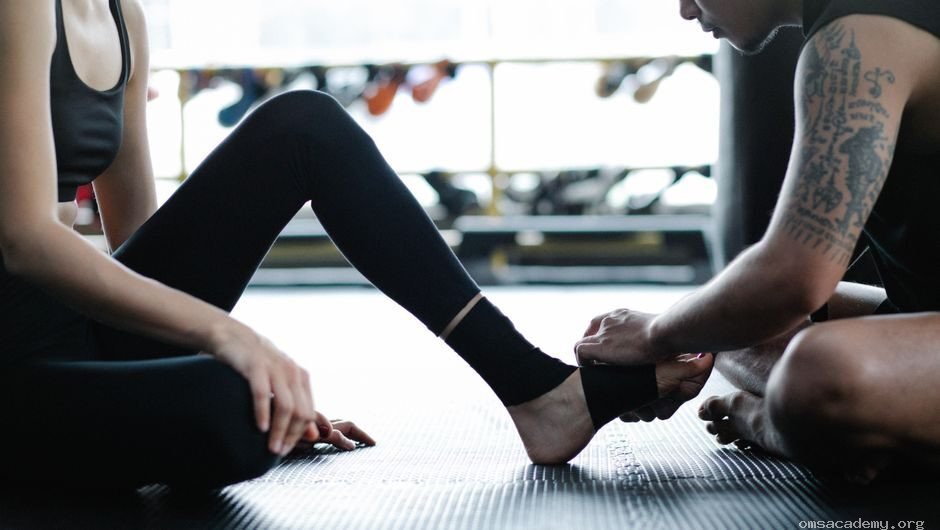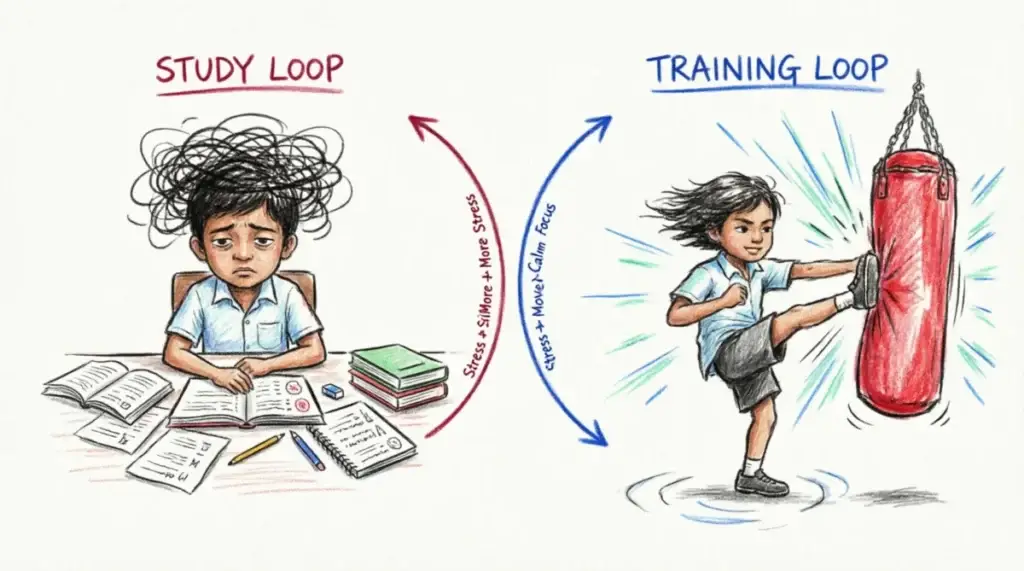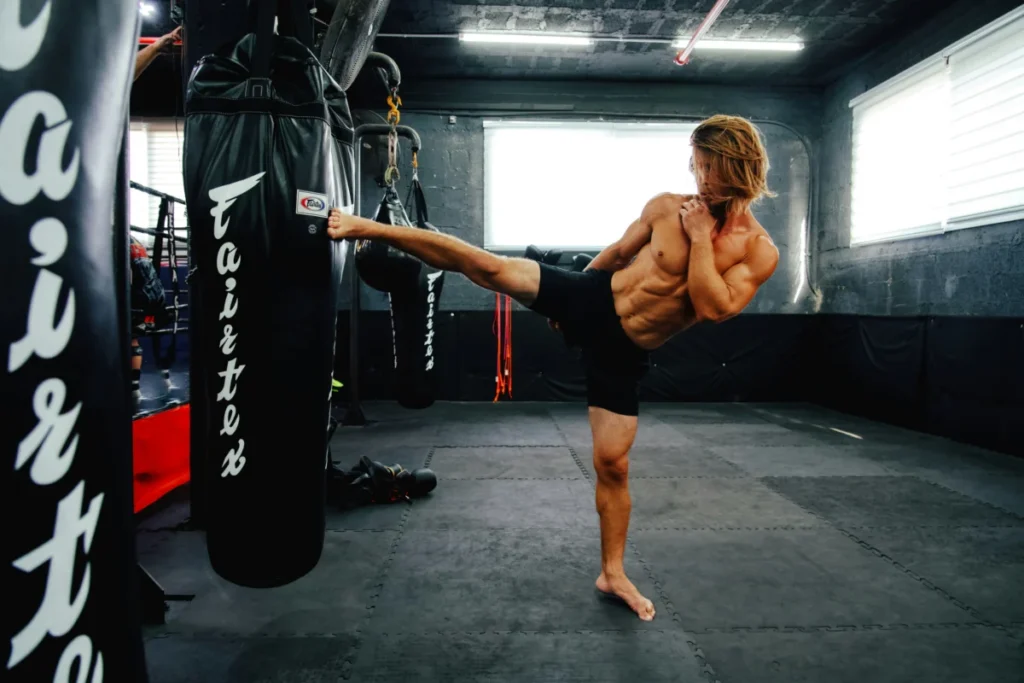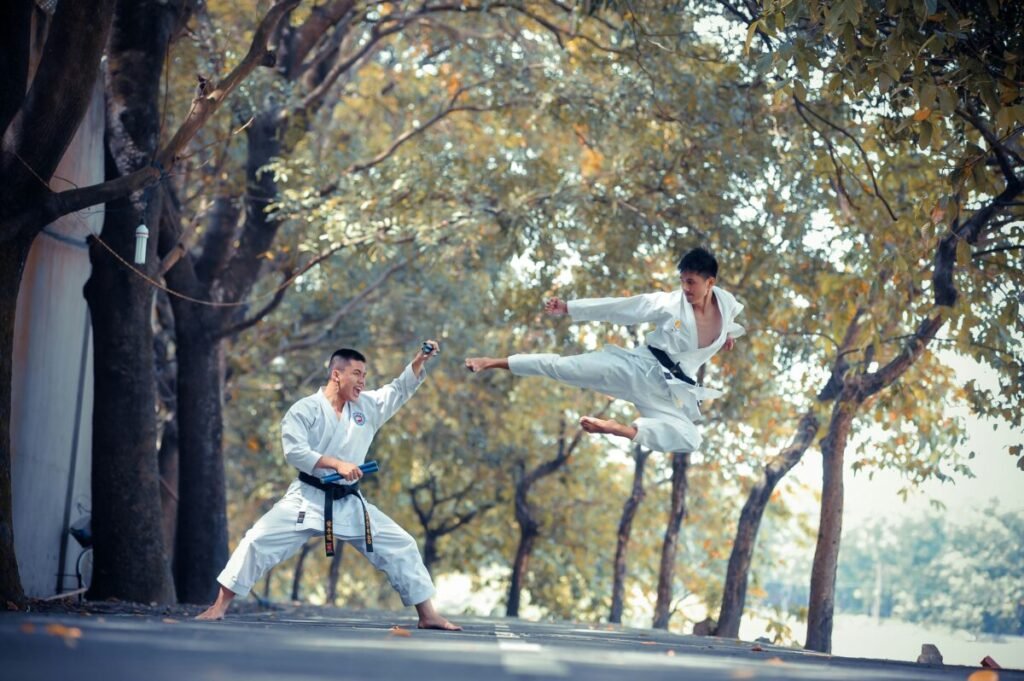

Aging is not a decline in your potential; it is a shift in your requirements. Many people assume that as the decades pass, their physical horizon must inevitably shrink, but martial arts for senior mobility prove that theory wrong. At Om’s Martial Arts & Fitness Studio, we witness students in their sixties and seventies reclaiming their range of motion through disciplined practice. You do not need to sacrifice your joints to maintain your strength or agility.
This article examines how to modify traditional Taekwondo techniques and incorporate targeted yoga flows to support long-term physical health. We will look at the mechanics of safe training, compare various movement modalities, and establish a sustainable home routine tailored to your unique physiology. By prioritizing longevity over ego, you can continue to challenge your body and sharpen your mind. Let us examine the essential principles of movement that keep you mobile at any age.
Why Movement Matters as You Age
Stagnation acts as the primary antagonist to your physical freedom. When we adopt sedentary habits, our synovial fluid thickens, and our joint capsules tighten, turning once-fluid motions into rigid, painful tasks. Functional mobility is not merely about how far you can stretch; it involves the ability to move through your environment with control, grace, and confidence. Without consistent physical input, the body prioritizes survival over structural integrity, leading to a rapid decline in range of motion.
The Physiological Cost of Inactivity
We observe two major threats as the body matures: muscle atrophy and the reduction of bone mineral density. Research indicates that adults can lose up to 3% to 5% of their muscle mass per decade after the age of 30, a process that accelerates significantly if left unchecked. Controlled, low-impact training serves as the antidote to this decay.
| Impact Factor | Consequence of Inactivity | Benefit of Consistent Training |
|---|---|---|
| Joint Health | Stiffness and inflammation | Increased lubrication and range |
| Bone Density | Higher fracture risk | Stimulated growth via load |
| Balance | Increased fall risk | Improved proprioception |
At Om’s Martial Arts & Fitness Studio, we frequently work with students who regained their ability to perform daily tasks—like reaching for a high shelf or navigating uneven terrain—simply by mastering basic, intentional movement patterns. Preserving your independence requires more than just luck; it demands a deliberate commitment to your physical architecture. Now that we understand the physiological stakes, we can look at how specific gentle techniques protect your body from these common age-related declines.
Adapting Taekwondo for the Mature Practitioner
The beauty of Taekwondo lies in its scalability. You do not need to deliver head-height spinning kicks to reap the benefits of this discipline. At our studio, we refine the art into a tool for longevity by prioritizing precision over explosive power. Shifting your focus toward deliberate, controlled footwork strengthens the stabilizer muscles around your ankles and knees, significantly reducing fall risk—a critical concern for aging adults. According to the Centers for Disease Control and Prevention, one in four older adults reports a fall each year; our modified training acts as a direct counter-measure to this statistic.
Refining Your Movement
- Modified Stances: We shorten the length and depth of traditional stances to ensure your center of gravity remains secure, protecting sensitive hip and knee joints.
- Hand-Eye Coordination: Slow-motion striking drills sharpen your reaction time and neural pathways without the jarring impact of heavy contact.
- Cognitive Poomsae: We treat patterns as moving meditation. Memorizing these sequences demands intense focus, which keeps the mind as agile as the body.
| Training Focus | Primary Benefit |
|---|---|
| Low-impact Footwork | Joint Stability |
| Poomsae Practice | Cognitive Sharpness |
By adjusting these mechanics, you maintain the rigor of martial arts while honoring your body’s current requirements, setting the stage for how we integrate complementary yoga practices to further enhance your range of motion.
Yoga as a Foundation for Joint Longevity
Martial arts provide the intensity, but restorative yoga provides the maintenance. To keep your joints fluid, focus on poses that prioritize the hips, knees, and spine. Chronic stiffness often stems from sedentary habits, but consistent, gentle movement reverses this by stimulating synovial fluid production. Research indicates that regular, low-intensity stretching can improve joint range of motion by up to 20% in older adults, significantly reducing the risk of injury during daily activities.
Essential Tools for Safe Practice
Alignment matters more than depth. Using props transforms a challenging posture into a therapeutic release. Never force a stretch; instead, use these tools to support your body’s natural structure:
- Yoga Blocks: Bring the floor closer to you, preventing unnecessary strain on the lower back.
- Straps: Extend your reach, allowing you to maintain a neutral spine while targeting tight hamstrings.
- Bolsters: Provide passive support for spine decompression during seated poses.
| Target Area | Benefit |
|---|---|
| Hips | Improved gait stability |
| Spine | Reduced nerve compression |
Finally, pair these movements with deep, rhythmic breathing. This practice calms the nervous system and lowers blood pressure, creating the ideal physiological environment for recovery. With your joints supple and your breath steady, you are ready to explore how specific warm-up routines prepare you for higher-intensity movement.
Comparing Training Modalities for Seniors
At our studio, we often see students debate whether to prioritize the dynamic movement of Taekwondo or the static stability of yoga. The truth is that these disciplines act as mirrors to one another. Taekwondo challenges your balance through weight shifts and controlled strikes, while yoga builds the deep structural integrity needed to sustain those movements safely.
Balancing Your Fitness Profile
Taekwondo excels at improving gait and reaction time, which are critical as we age. Conversely, yoga emphasizes joint mobility and parasympathetic nervous system regulation. When you integrate both, you build a body that is both resilient and supple. Research indicates that seniors who combine resistance training with flexibility work reduce their risk of falls by nearly 30% compared to those who stick to a single modality.
| Feature | Taekwondo | Yoga |
|---|---|---|
| Intensity | Moderate to High | Low to Moderate |
| Primary Goal | Coordination & Power | Flexibility & Alignment |
| Accessibility | Adjustable Stance Work | Prop-Assisted Poses |
If your primary goal is core strength, yoga’s isometric holds provide a foundational base. If you seek to improve functional mobility for daily tasks like walking or climbing stairs, the rhythmic stepping patterns in Taekwondo offer superior real-world application. Understanding these distinctions allows you to tailor your weekly schedule to address specific physical needs before moving into specialized cooling techniques.
Prioritizing Safety and Injury Prevention
Your longevity on the mat relies on how you treat your body before the first strike or stretch. We emphasize a thorough warm-up at Om’s Martial Arts & Fitness Studio to properly lubricate your synovial joints. Think of this process as oiling the gears of a machine; without adequate preparation, the friction of movement leads to premature wear. Cold muscles are prone to micro-tears, which is why we dedicate the first fifteen minutes of every session to increasing blood flow and core temperature.
Listening to Your Body
Distinguishing between productive muscle fatigue and sharp, dangerous joint pain keeps you in the game. Muscle soreness is a normal adaptation to training, but joint discomfort acts as a warning signal. If you feel a “pinching” or “clicking” sensation, stop immediately and adjust your range of motion.
- Communicate clearly: Always inform your instructor about pre-existing conditions or daily aches before class begins.
- Consistency over intensity: A moderate, steady practice yields far better long-term results than one high-intensity session that leaves you sidelined for weeks.
| Signal Type | Action Required |
|---|---|
| Muscle Burn | Continue with controlled form |
| Joint Sharpness | Cease movement and rest |
By respecting these boundaries, you ensure that your functional mobility improves safely. Once you master the art of listening to your physical cues, you can begin to integrate targeted recovery protocols into your daily routine.
Building a Sustainable Home Routine
Consistency beats intensity every single time, especially when your goal is long-term senior mobility. You do not need an hour of grueling exercise to see results. Instead, dedicate 15 minutes each morning to a blend of gentle Taekwondo strikes and restorative yoga holds. This dual approach keeps your joints lubricated while maintaining the neuromuscular connections necessary for balance.
Designing Your Practice Space
Safety remains the primary concern. Clear a dedicated area in your home where the floor is firm and free of rugs or cords. A simple, unobstructed square of six feet by six feet is enough to perform your entire flow without the risk of tripping.
Tracking Functional Milestones
Forget about how high you can kick or how fast you can punch. Focus on how your body feels during everyday tasks. We use a simple tracking method at our studio to measure real-world gains.
| Milestone | Functional Indicator |
|---|---|
| Balance | Standing on one leg for 30 seconds without support |
| Mobility | Reaching overhead to a high shelf without shoulder pain |
| Strength | Rising from a chair without using your hands |
View this practice as a vital investment in your independence. By tracking these milestones, you shift your perspective from measuring athletic output to valuing the quality of your daily life. With your home routine established, we can now look at how to sustain this momentum through community engagement.
Final Thoughts
Aging does not require you to trade your strength for fragility. By blending the precision of adapted Taekwondo with the restorative power of yoga, you create a robust defense against the limitations that often accompany later years. At Om’s Martial Arts & Fitness Studio, we witness daily how intentional movement transforms our senior members, proving that consistency matters far more than intensity. True longevity comes from listening to your body while refusing to let it remain stagnant.
- Embrace adaptability: Modify your stances and strikes to protect your joints without sacrificing the essence of your training.
- Prioritize mobility: Use yoga sequences to maintain the range of motion necessary for daily independence.
- Consistency is your anchor: A sustainable home routine keeps your muscles engaged and your mind sharp.
Ready to reclaim your movement? Visit us at Om’s Martial Arts & Fitness Studio to start your personalized training program. Your next chapter begins on the mat.
You Might Also Like
→

→
→
→
→